Power Failure Isn't an Option. Neither Is Guesswork
Electrical infrastructure, backup power, and commissioning readiness for facilities that cannot afford downtime data centers, hospitals, and mission-critical operations.
Electrical infrastructure, backup power, and commissioning readiness for facilities that cannot afford downtime data centers, hospitals, and mission-critical operations.
The electrical grid is the single point of failure for modern civilization and attackers know it.
Power failure is one of the most costly and preventable risks facing critical facilities today. Substations age, backup systems go untested, and commissioning gaps go unnoticed until the moment power actually fails and by then, the cost is measured in halted operations, lost revenue, and safety exposure. As Corvynt expands toward electrical engineering and EPC advisory, this pillar focuses on infrastructure readiness: assessing power reliability, strengthening backup systems, and supporting the commissioning process so facilities stay operational when it matters most.

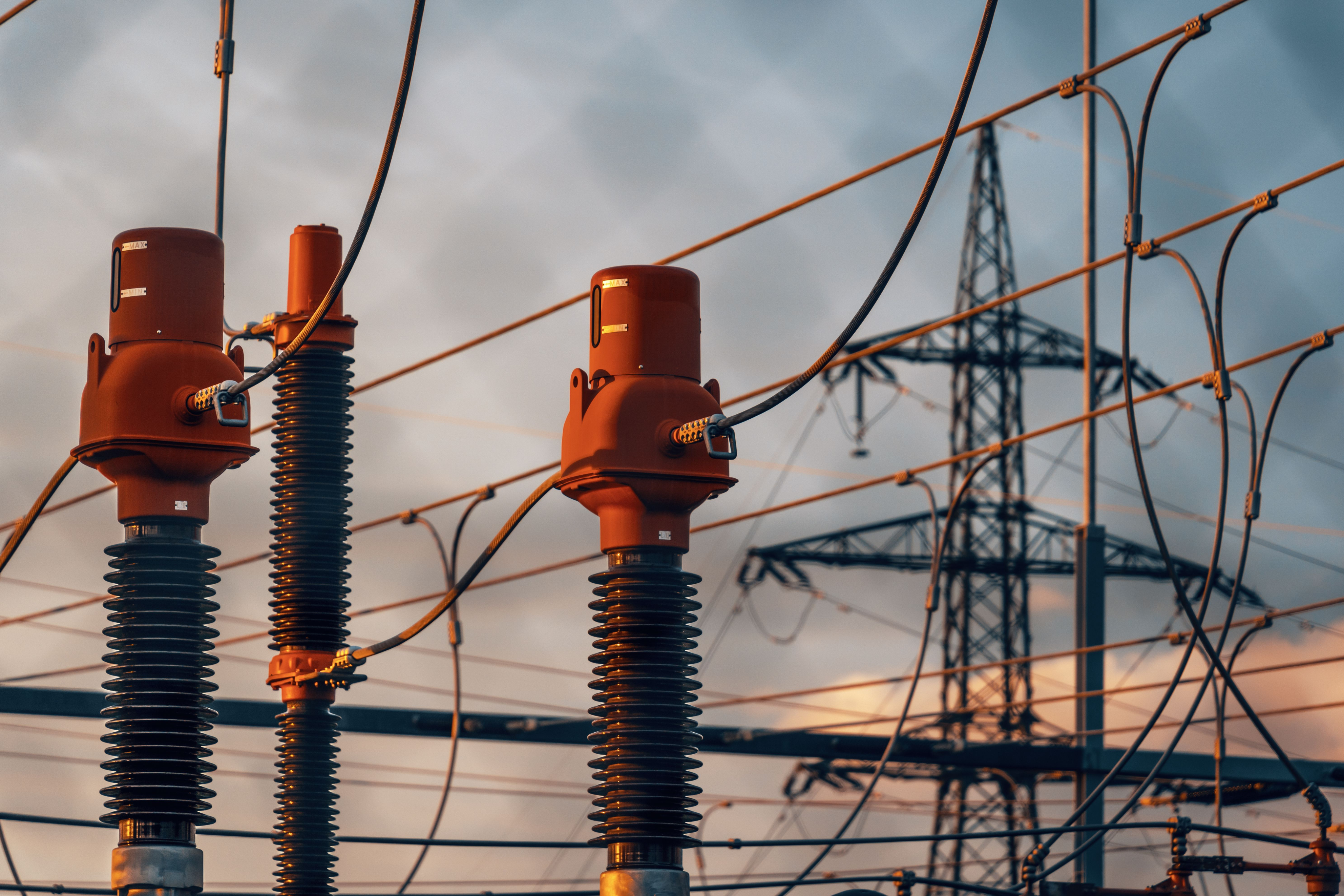
Much of the grid and facility level electrical infrastructure in operation today was built decades ago. Substations, transformers, and distribution systems weren't designed for today's load demands.
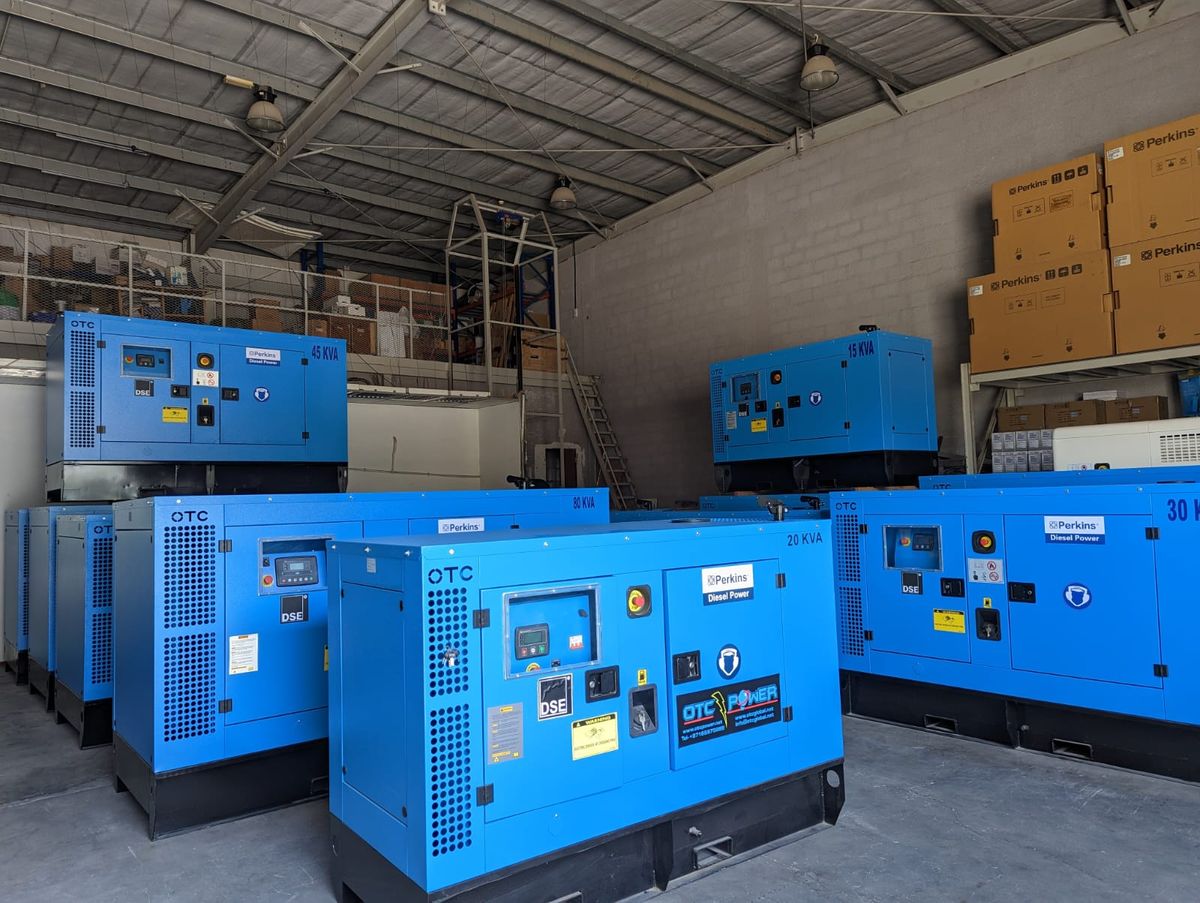
Generators and UPS systems are only as reliable as their last test. Untested or poorly maintained backup power is one of the most common causes of extended outages when the primary grid fails.
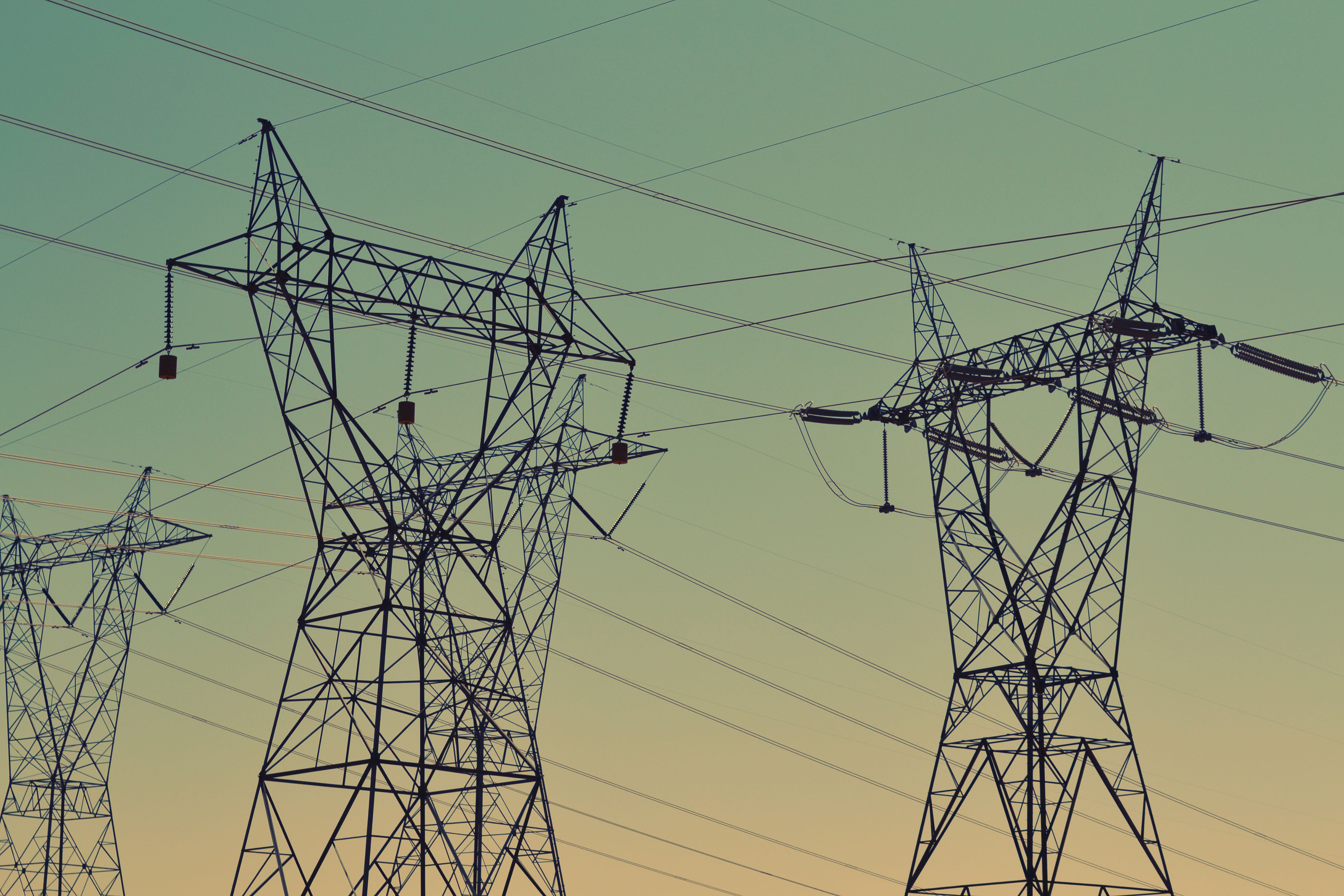
Incomplete or rushed commissioning leaves facilities vulnerable from day one undetected wiring errors, untested failover paths, and gaps between design intent and as built reality.

Voltage fluctuations, harmonics, and unstable power quality degrade sensitive equipment over time and increase the likelihood of unplanned outages, especially in data center and industrial environments.
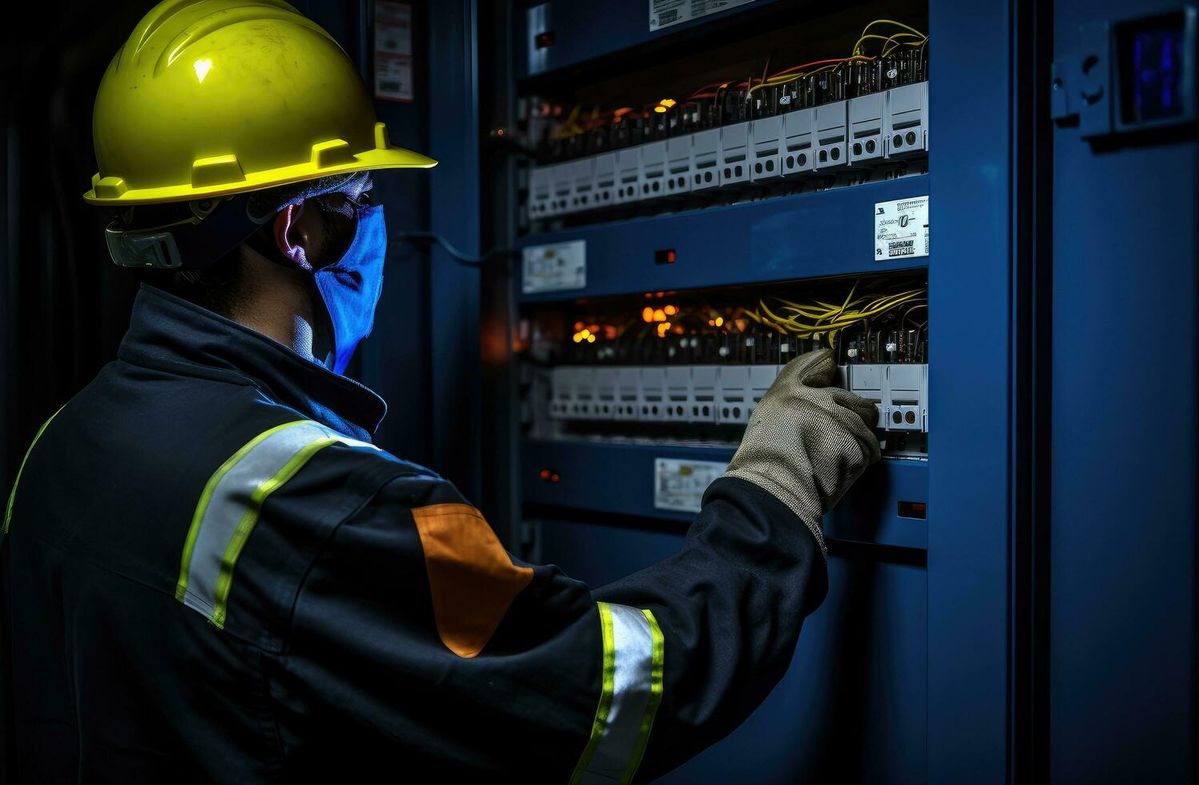
Electrical work performed without rigorous oversight introduces risk that often isn't visible until a failure occurs. Strong vendor and contractor management is a core part of infrastructure reliability.
A structured framework for assessing, strengthening, and maintaining power reliability across critical facilities.
We map your electrical infrastructure substations, backup systems, UPS, and distribution to understand your current reliability posture.
We assess power quality, outage risk, and backup readiness against industry best practices and facility-specific demands.
We review design intent against as-built systems, identifying gaps before they become operational failures to the environment.
We provide partner-led advisory support for closing identified gaps from backup power upgrades to vendor oversight improvements.
We support continued reliability through preventive maintenance planning and periodic reassessment as facility demands evolve.
Every service is engineered for environments where systems run continuously, legacy hardware cannot be replaced overnight, and a single misconfiguration can trigger physical consequences across an entire operational network
We evaluate your electrical infrastructure, power quality, and overall resilience to identify weaknesses that could impact operations. Our assessment examines power distribution systems, backup capabilities, and potential outage risks across your facility by uncovering vulnerabilities early.
We assess your backup power systems, including generators, UPS infrastructure, and failover capabilities to ensure they can support critical operations during a power outage. Our evaluation covers system capacity, maintenance practices, testing procedures, and operational readiness.
We provide advisory support for substation modernization projects and commissioning readiness, ensuring new or upgraded infrastructure is prepared for safe and reliable operation. Our approach helps bridge the gap between design intent and real-world performance reviewing systems.
We provide oversight and advisory support for electrical vendors and contractors to ensure work is performed to the required reliability and operational standards. Our approach includes reviewing practices, validating deliverables, and identifying risks that may be introduced by third parties.
Power failure doesn't just cause inconvenience or the right facility, it halts operations, endangers patients, or triggers cascading loss. These are the sectors where reliability isn't optional.
Data centers cannot tolerate downtime even seconds of power loss can corrupt data, damage hardware, and breach SLA commitments. Backup power and commissioning readiness aren't optional but tied to guarantees.

Hospitals run life-critical equipment that cannot lose power, even momentarily. Ventilators, surgical equipment, and patient monitoring systems depend entirely on uninterrupted electrical supply.
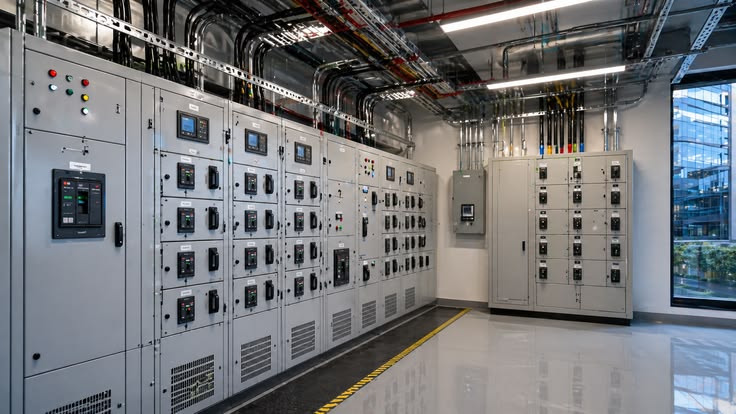
Utilities sit at the source of the reliability problem itself aging substations, legacy transmission infrastructure, and deferred maintenance all directly threaten grid stability.
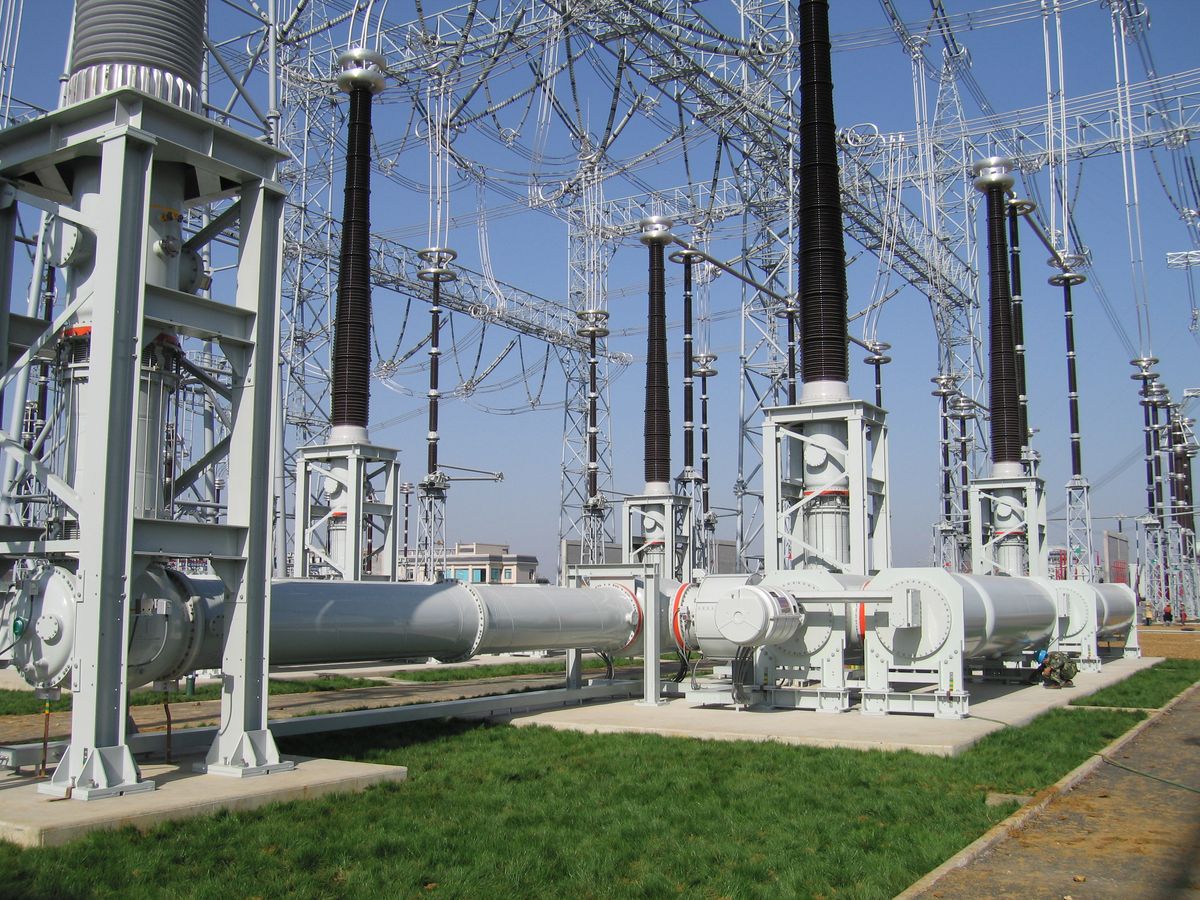
Manufacturing operations depend on continuous power to keep production lines running, and unplanned outages translate directly into lost output and missed deadlines.
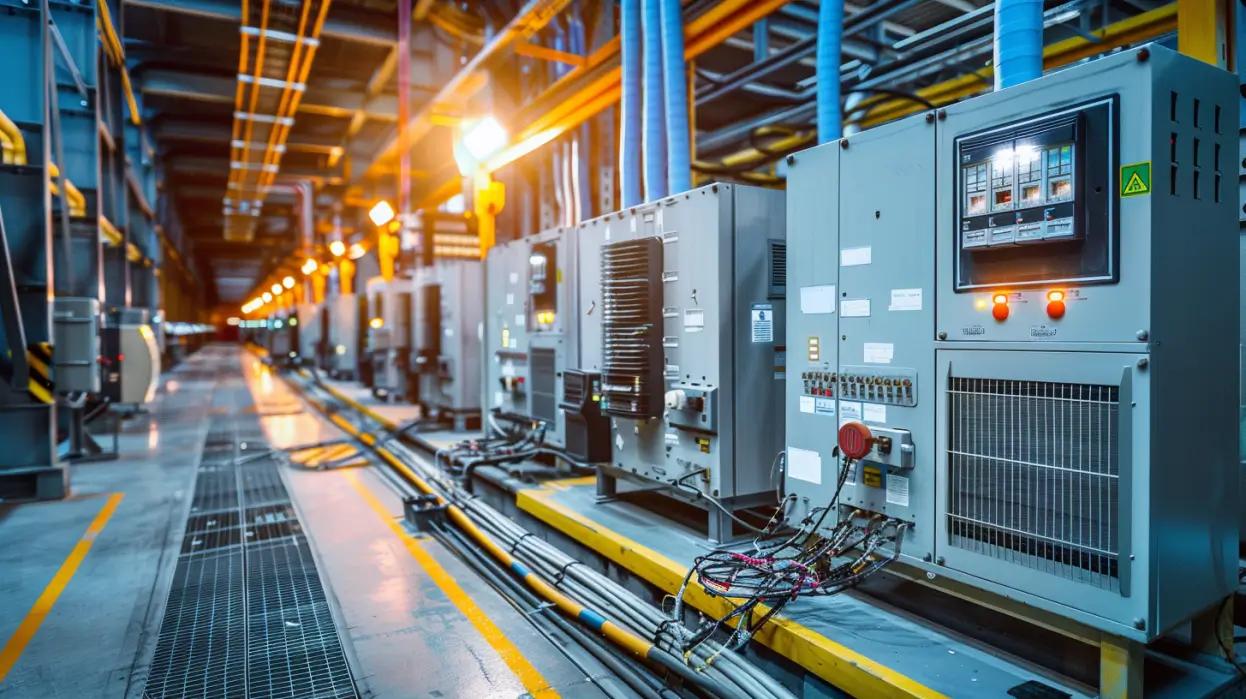
Commercial and industrial facilities depend on reliable infrastructure and benefit from risk-informed resilience planning.

Aging systems, untested backups, and commissioning gaps don't announce themselves until it's too late. Let's assess your reliability posture before failure does.